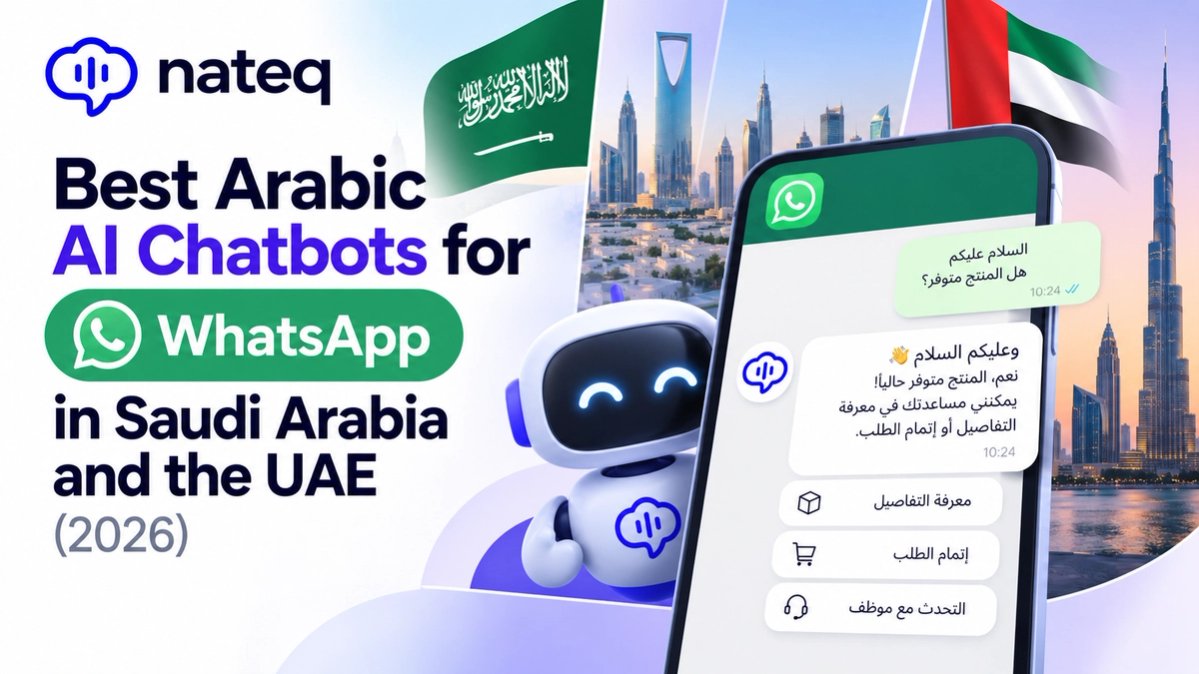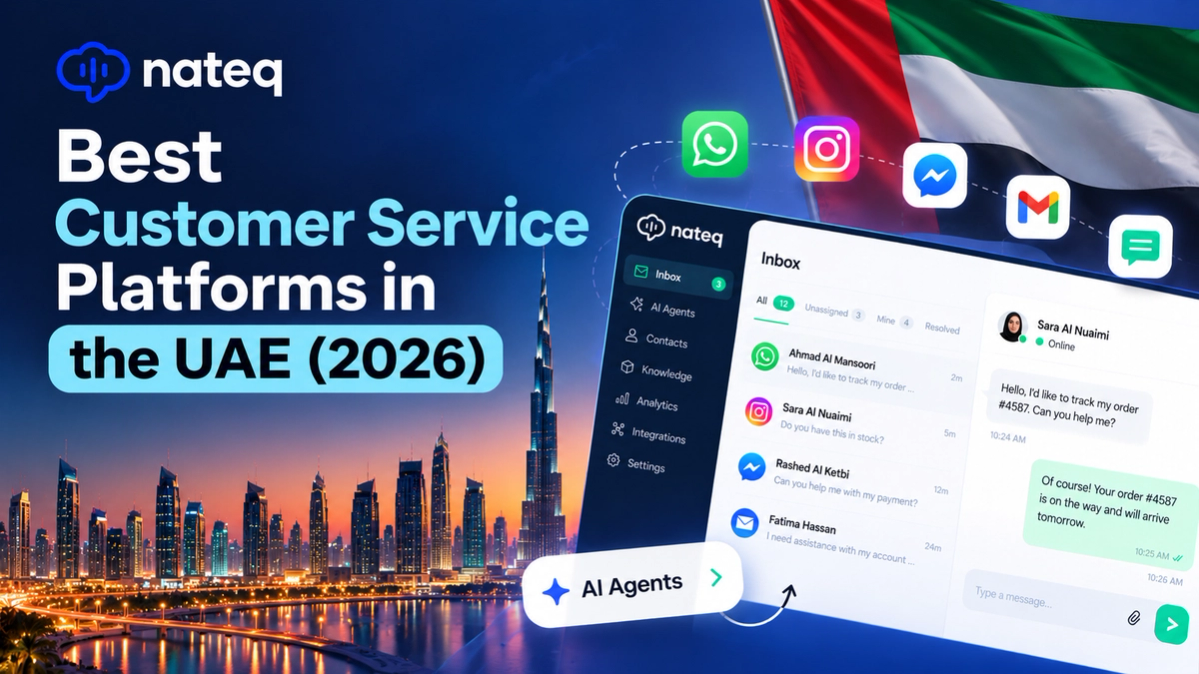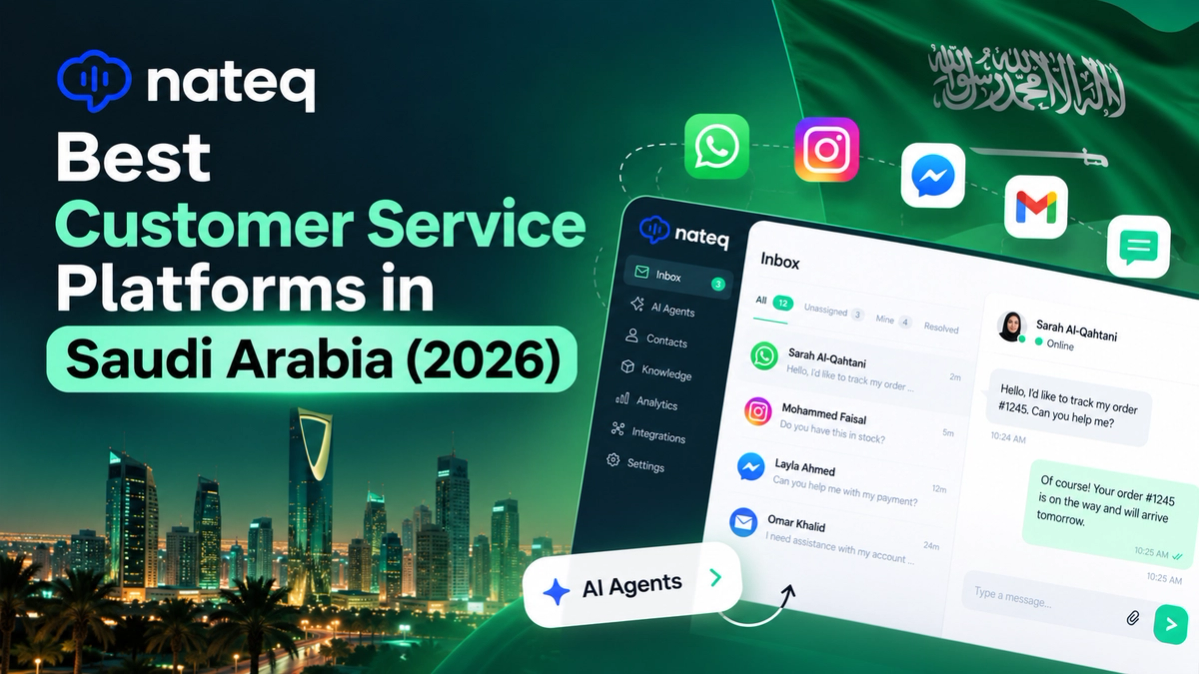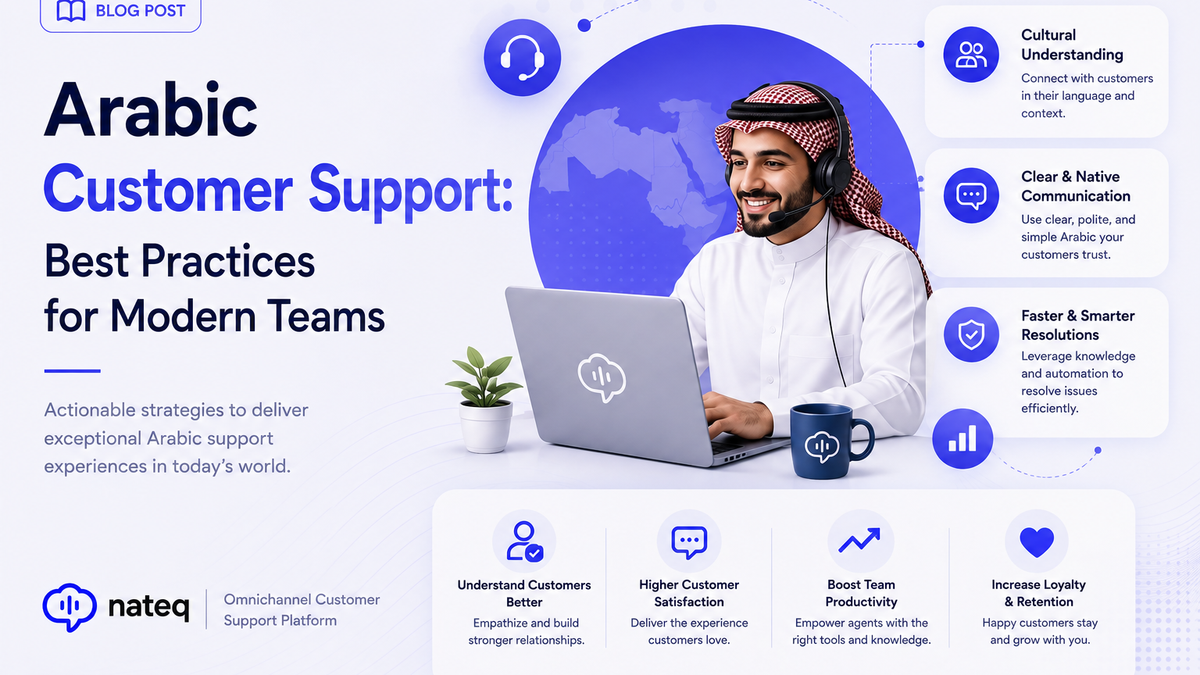
For teams across the Middle East and North Africa, great Arabic customer support is a competitive advantage. Doing it well means more than translating English replies — it means natural language, proper right-to-left experiences, and tools that truly understand Arabic.
Why Arabic-first support matters
Customers trust and stay with brands that speak their language naturally. Arabic-first support reduces friction, improves satisfaction, and signals that you understand your market — something generic, translated support can’t fake.
Best practices for Arabic customer support
- Support genuine right-to-left (RTL) layouts across chat, email, and your help center.
- Write in clear, natural Arabic rather than literal machine translations.
- Use AI search that understands Arabic word forms and morphology, not just keywords.
- Offer both Arabic and English so customers can choose, and switch seamlessly.
- Keep tone respectful and localized to your audience and dialectal expectations.
Common mistakes to avoid
- Bolting Arabic onto a left-to-right interface that breaks alignment and readability.
- Relying on keyword search that misses Arabic word variations.
- Inconsistent terminology between your product, help articles, and replies.
How AI helps Arabic support scale
Modern AI can answer in Arabic from your knowledge base, understand questions asked in natural language, and hand off to an agent with full context. That lets a small team deliver fast, high-quality Arabic support at scale.
If you're choosing a platform for a team in Saudi Arabia, our guide to the best customer service platforms in Saudi Arabia compares seven of them on WhatsApp, Gulf Arabic, calls and price, with a source for every claim.
Arabic support, built in from day one
Nateq is bilingual by design, with full Arabic and English support and native RTL across the chat widget, inbox, and knowledge base. Learn what AI customer service involves, or book a demo to experience Arabic-first support.